
Originally published 2022-08-16. Reviewed and updated by Anything Pawsable on October 4, 2026.
A new partnership develops through comfortable experiences and clear communication. A dog who initially looks to its former trainer is not rejecting the new handler.
- Share a predictable routine. Spend comfortable time together with feeding, relief, rest and suitable activities. Give the dog space and opportunities to move away. Continuous tethering or physical confinement is not necessary to create attachment.
- Practice with rewards. Use brief, achievable exercises and accessible cues. Food from the daily allowance can be useful if appropriate, but the dog does not have to earn every meal or be hand-fed. Bowls, helpers and adapted reward delivery are valid options.
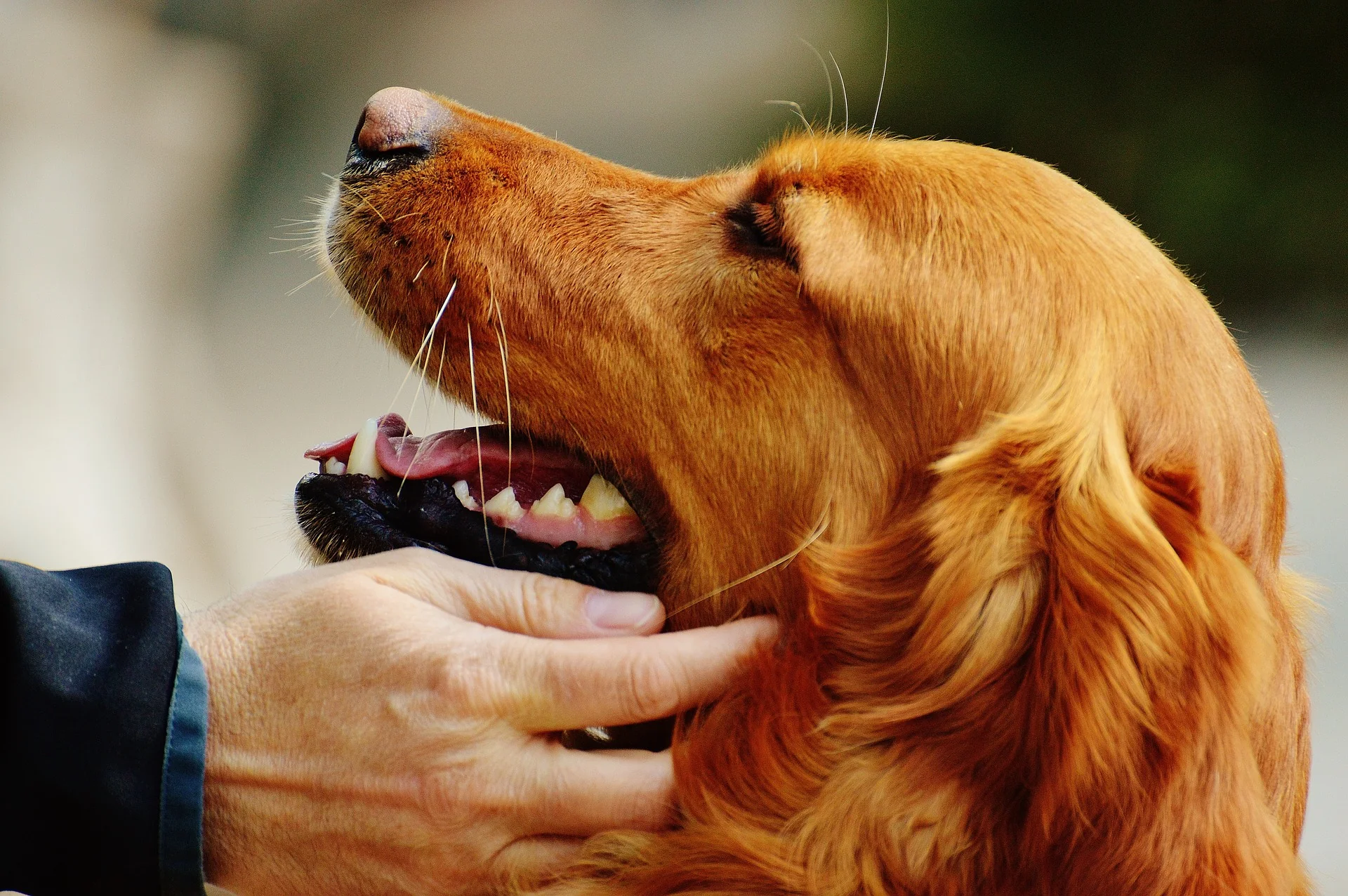
- Enjoy time without work. Learn what the dog likes: sniffing, gentle play, grooming or resting nearby. Avoid forcing touch or expecting constant availability. Protect sleep and relaxed off-duty time.
For a program dog, discuss the transition plan with the provider and ask for adaptations when it is difficult or causes distress. No protocol should override welfare or necessary veterinary care. Relationships do not develop on a fixed timetable, and seeking support is part of responsible teamwork.
A trained dog still needs a prepared human partner. Service Dog Standards works alongside the Americans with Disabilities Act (ADA), explaining training and behavior standards, care and ongoing handler responsibilities. Trainers and programs use that foundational education to prepare clients for the partnership. Build on it with individual handling lessons, patient practice and routines that help you and your new dog work safely together.