Daily Life
Puppy-proofing Your Home
Prepare for a new companion with a thoughtful look around your home.

Community
Twenty years of service-dog partnerships, and the support that changed one woman’s life.

Daily Life
Prepare for a new companion with a thoughtful look around your home.

Training & Behavior
Find the rewards that make learning worth your dog’s while.
Working Dogs
Meet the scent-detection dogs helping researchers monitor wildlife and protect wild places. An interview with Working Dogs for Conservation.


Daily Life
Work, rest, and room for play. Step inside the everyday life of a service dog team.

Training & Behavior
Small changes that help you and your dog find a more comfortable rhythm.
Community
A handler reflects on retirement, successor dogs, and making room for a new partnership.


Community
A trainer’s farewell letter to a dog preparing for his next chapter.

Community
A personal account of recognizing PTSD, asking for support, and finding a service-dog partner.
Editor’s Picks
Access & Travel
Plan the stops, packing and downtime that help a trip run smoothly.
Access & Travel
Practice for busy terminals, tight spaces and long waits.
Health & Care
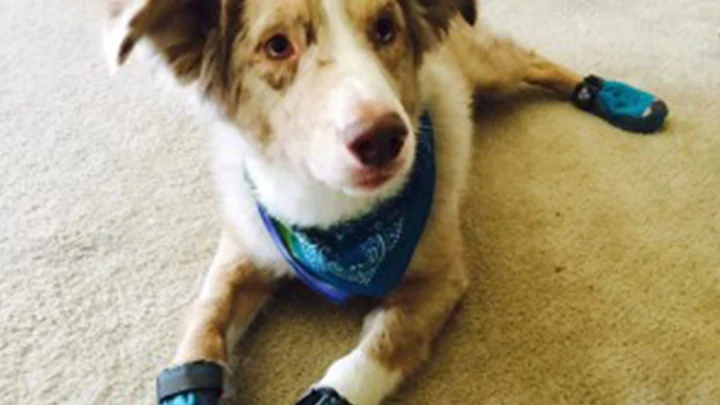
A closer look at paw protection, fit and getting used to new gear.
Health & Care
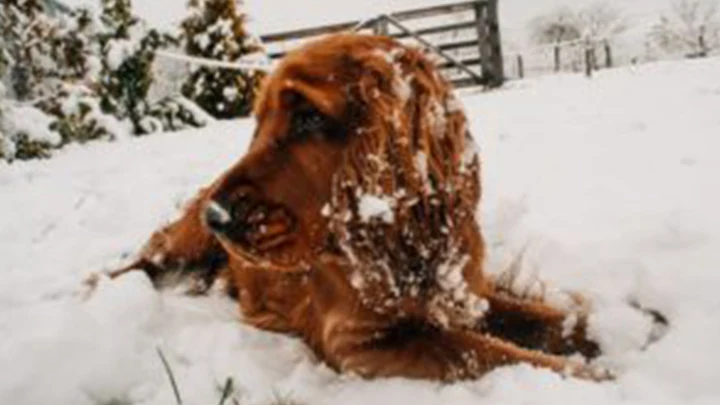
Think ahead about cold conditions, paw care and protective gear.

Service Dog Life
Consider what a service-dog partnership could mean for your daily life.
Daily Life
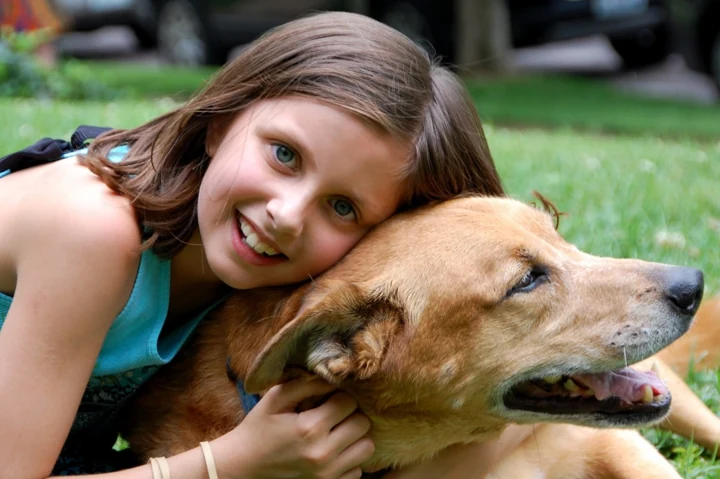
Make room for trust, communication and getting to know each other.

THE ANYTHING PAWSABLE

A foundation for all the learning that comes next.

Everyday places, sounds, and experiences as your dog gets to know the world.
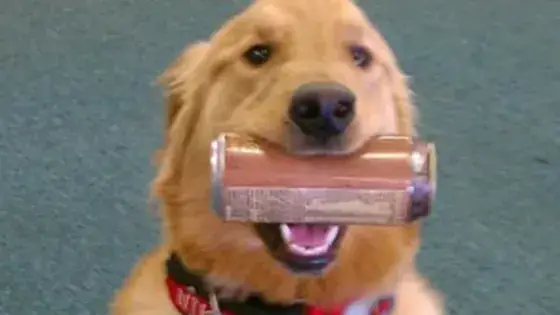
Turn an everyday task into a series of teachable steps.

Build focus, confidence, and calm with small moments of everyday practice.
QUICK TRAINING TIPS
Teach your dog to check in with you. Bring a treat from their nose toward your face, then mark and reward eye contact. Add “look at me” once familiar, and gradually practice around distractions.
Related readingPractice down-stays in public places, starting with quiet spots and gradually adding distractions. Reward relaxed behavior without constant instructions.
Related readingReward your dog for walking beside you with slack in the leash. Start somewhere quiet, pause when the leash tightens, and reward reconnecting before moving on.
Related readingGive your dog a cue to take a sniffing break. Let them explore at their own pace on a loose leash, then cue them back to work.
More sniffing ideasBuild a reliable retrieve one step at a time: picking up, holding, carrying, and placing an item in your hand. Practice each part before putting them together.
Related readingThe training log, puppy potty log, and name shortlist use browser storage only when you save entries. Their code does not send entries to AP. Download files are generated on your device. Clearing browser storage removes saved notes.
Last updated: October 3, 2026
Anything Pawsable is an educational publication operated by EBC Partners LLC, which also operates Service Dog Standards and the United States Service Dog Registry. This policy explains how information is handled when you read Anything Pawsable or contact its team.
If you send a question, correction, story, photograph, or other submission, we receive the information you provide, such as your name, email address, message, and submitted material. Please avoid sending medical records, unnecessary disability information, or personal information about someone else without permission.
Contributor names, approved biographies, photographs, and other material intended for publication may appear publicly with the corresponding article. We distinguish information submitted for publication from private correspondence.
Hosting and security providers may process routine request information, including IP addresses, browser and device information, requested pages, and timestamps, to deliver the website, maintain reliability, and investigate abuse.
The article finder can match questions to AP articles in your browser without sending the question to an AI service. If optional AI summaries are enabled, your question and selected public article excerpts are sent to Cloudflare to generate a response. The application does not save chat history or deliberately log question text; hosting providers may process request data under their own policies. Do not include medical records, names, contact details, or other sensitive information in a question.
We use information to respond to messages, review submissions and corrections, publish approved contributions, maintain the website, and protect its security. Relevant staff and service providers may receive the information needed to perform those functions.
We do not sell or rent editorial correspondence or submissions. Information may be shared within EBC Partners LLC when necessary to address a request or operate the publication. Advertising services, when enabled, may process information as described below. We may also disclose information when required by law or reasonably necessary to protect safety, prevent abuse, or protect legal rights.
Article search does not require an account. When enabled, Google Analytics helps us understand readership and page use. It may use cookies and process page addresses, browser and device information, and network information. Our analytics integration waits for an applicable analytics consent signal before loading, and preview builds do not load Analytics. AP does not send article-finder questions as Analytics events.
If Google AdSense advertising is activated, third-party vendors, including Google and its advertising partners, may use cookies or similar technologies to serve and measure ads. Advertising cookies may support ads based on previous visits to this website or other websites. Non-personalized ads may still involve cookies or other data processing. The partners and purposes applicable to your visit are described in the consent message when shown.
Where a consent message is shown, you can consent, decline, or manage your choices. When available, use the Privacy & cookie settings control to revisit or withdraw them. Google advertising and analytics settings depend on the services actually enabled. You can also manage personalized Google ads through Google Ads Settings and read how Google uses information from sites that use its services. Other participating advertising providers offer choices through YourAdChoices.
Links to videos, organizations, products, affiliated platforms, and other external resources take you to services with their own privacy practices. Service Dog Standards and USSDR account, registry, directory, purchase, and messaging features are governed by the policies applicable to those services.
You can manage or delete cookies through your browser settings. Browser settings may affect features on external services you choose to visit.
We retain correspondence and submission records for as long as reasonably necessary to respond, manage editorial work, resolve disputes, maintain records, or meet legal obligations. Published articles and their contributor credits form part of the publication archive.
We use reasonable safeguards to protect information, but no website or email system can guarantee absolute security. Please limit sensitive information in ordinary correspondence.
Contact us to ask about information you have provided, request a correction or deletion, or raise a privacy concern. Rights and exceptions depend on applicable law; we may need to verify identity before responding to a request. Public editorial records and legally required records may need to be retained.
If you believe a child has submitted personal information that should not have been collected, please contact us so we can review and address it.
Use our Contact Us page or email hello@servicedogstandards.org for privacy questions. Include “Anything Pawsable privacy” and enough detail to identify your request.
We will update this page when practices change and revise the date above. Material changes will receive additional notice when required.
Shared statement effective June 1, 2026
Anything Pawsable shares the following accessibility and belonging commitments of Service Dog Standards and the United States Service Dog Registry, operated by EBC Partners LLC.
You Belong. You Matter.
At Service Dog Standards (SDS) and the United States Service Dog Registry (USSDR), we believe every person deserves dignity, respect, and the opportunity to participate fully in community life.
You belong here.
You matter.
Service Dog Standards exists to support disabled people who work with service dogs, people exploring whether a service dog may be appropriate for their disability-related needs, and the broader communities that support responsible service dog partnerships — including trainers, caregivers, healthcare professionals, advocates, educators, and loved ones.
But we also recognize that many people have not always been treated with dignity, understanding, or fairness.
Many disabled people have experienced misunderstanding, judgment, exclusion, disbelief, financial hardship, barriers to care, or unnecessary obstacles when seeking housing, travel, employment, education, healthcare, or simply moving through the world.
Some people arrive here after being questioned, dismissed, excluded, judged, misunderstood, or told — directly or indirectly — that they do not belong.
Some disabilities are visible. Many are not.
Some people have strong support systems. Others have had to work hard to be heard, understood, accommodated, or treated fairly.
We want this community to be different.
If any part of this sounds familiar, we want you to know:
You belong here.
We welcome people of all disabilities and lived experiences, including:
We welcome people throughout the service dog journey, including:
We welcome people of all backgrounds, including:
We believe dignity, inclusion, and belonging should not depend on identity, income, geography, privilege, or access to resources.
We recognize that access to disability-related support is not equal.
Real barriers exist.
Some people may face challenges related to:
We recognize that responsible disabled people may not always have equal access to trainers, specialists, healthcare providers, transportation, evaluations, or financial resources.
We believe accessibility should not depend solely on wealth, geography, or proximity to professional services.
We believe responsible service dog partnerships matter.
We also believe unnecessary barriers can unintentionally exclude disabled people who are acting responsibly but face real-world limitations beyond their control.
Accessibility and responsibility can exist together.
Responsible service dog partnerships involve:
We believe people should not be dismissed, shamed, or excluded because their path looks different.
Our goal is not to create unnecessary barriers.
Our goal is to support responsible service dog teams while recognizing that people start from different places and face different challenges.
We believe the strongest service dog communities are grounded in:
Disability experiences vary.
Access needs vary.
Service dog journeys vary.
We ask members of our community to treat one another with dignity and respect.
Questions are welcome. Learning is encouraged. Good-faith disagreement can happen.
We want this to be a place where people feel safe asking questions, learning, and growing.
Harassment, intimidation, hostility, discrimination, deception, or behavior that harms the dignity, safety, or wellbeing of others does not reflect the kind of community we hope to build together.
We are committed to improving the accessibility and usability of our websites, services, forms, profiles, and tools for as many people as reasonably possible.
We are actively working to improve accessibility for people who may rely on:
We strive to support accessibility through:
We also recognize that some visitors may use browser-based translation or accessibility tools to help access information. While we may not currently support every language, we are committed to improving clarity and accessibility whenever reasonably possible.
Accessibility is an ongoing process, not a finish line.
If something on our website, platform, forms, profiles, or services creates difficulty for you, we want to know.
If you encounter an accessibility barrier, need information in an alternative format, need help accessing a feature, or have suggestions for improvement, please contact us. We will do our best to provide reasonable assistance and improve the experience whenever reasonably possible.
Questions about accessibility?
Please include enough detail so we can better understand and respond to your concern.
Thank you for being part of a community grounded in dignity, inclusion, responsibility, and respect.
Last updated: October 1, 2026
Anything Pawsable publishes education, reporting, and personal stories about service and working dogs. Our goal is useful information that respects disabled people, supports responsible partnerships, and treats dogs’ welfare seriously.
We aim to verify factual claims, consult reliable sources, and explain material uncertainty. For laws, regulations, health information, and research, we prioritize original sources and distinguish evidence from opinion or personal experience.
Educational articles provide general information. Individual training, medical, or legal decisions may require advice from a qualified professional familiar with the situation.
Personal accounts represent their contributors’ experiences. They should not be treated as universal outcomes or as proof that one approach suits every team.
Images should support the article accurately. Illustrative images must not be presented as documentary evidence of a specific person, dog, event, or result. We respect contributor permissions and preserve relevant attribution.
When we revise an educational article, we identify its updated edition and preserve its publication history where available. Historical news, reviews, interviews, and personal stories retain their original context.
A relisting date records when an article returns to a current collection. It does not change when the original events occurred or imply that every claim has been newly reviewed. Substantive updates are identified separately.
If you notice an error, use our Contact Us page. Include the article title or URL, the passage in question, the correction you propose, and a supporting source when available.
We review correction requests and correct verified errors. Material factual corrections receive a note explaining what changed. Minor spelling, grammar, or formatting fixes may be made without a separate note.
If an article requires further review, we may add context, temporarily remove it, or withdraw guidance that is no longer sound. We preserve relevant historical context rather than rewriting past events as current news.
Anything Pawsable is operated by EBC Partners LLC and is affiliated with Service Dog Standards and the United States Service Dog Registry. Those relationships do not make either organization a government agency or a source of legal disability rights.
Sponsored content, paid placements, and affiliate relationships will be identified when applicable. Contributors should disclose material conflicts of interest that could affect an article.
Start here
A useful starting point for service dog teams, puppy raisers, trainers, and anyone learning about working dogs.
A better day with your dog can start with one useful idea. Pick the part of life you are working on, and we will help you find somewhere to begin.
Focus, loose leash walking, settling, and practical exercises from the AP archive.
Welcome a puppyPrepare your home, observe bathroom routines, and build foundations at your puppy’s pace.
Plan time awayPrepare your team and find current official information before you leave.
Find another perspectivePersonal experiences from handlers and stories about the work dogs do.
Keep a training log to record one goal and your next step. Track your puppy’s bathroom routine to spot patterns. Or make a shortlist of dog names.
In U.S. public-access settings covered by the ADA, a service dog is trained to perform disability-related work or tasks. Comfort from a dog’s presence alone is different. Start with the U.S. Department of Justice service animal FAQs for the rules, and AP for practical perspectives and personal stories.
AP includes years of reporting and contributor experience. Original publication dates remain visible on the source articles; check current official guidance for legal, health, or travel decisions.
The Anything Pawsable
Find AP training exercises by skill, then use a free training log to keep your next session focused.
Choose one skill. Make the next practice small enough to succeed. Keep a note of what happened so tomorrow’s session has a clear starting point.
Record your cue, setting, repetitions, and next step in the free training log. Print it or download your entries without creating an account.
Look for exercises that match your dog’s current skill and comfort. Practice attention and settling in quiet places before adding a busier setting. AP’s archive below gives you several places to begin.
AVSAB recommends reward-based training. Its AVSAB position statements also explain how to evaluate a trainer. Ask prospective trainers how they adapt exercises when a dog is frightened, confused, or uncomfortable.
For an owner-trainer roadmap, read How to build a service dog training plan.
Daily life
Prepare your home and build a practical housetraining routine with AP’s puppy guides and a free printable potty log.
Puppies bring plenty of questions. Start with a safe home, predictable routines, and chances to learn without being rushed.
Set up a comfortable rest area, move hazards out of reach, and decide where bathroom trips will happen. Keep observations about eating, drinking, waking, and toileting together so the whole household can follow the same routine.
Use the puppy potty log to record events and bathroom trips. For a practical explanation, read When to take a puppy out after eating or drinking.
The AKC puppy housetraining guide explains why frequent opportunities and a consistent routine matter. Your veterinarian can help with health concerns and an appropriate water and feeding plan.
Give your puppy room to rest and recover between new experiences. A note saying “today was too much” can be more useful than a checklist of places visited. Pick one manageable exercise and finish while the puppy is still comfortable.
Access & travel
A practical travel preparation checklist with direct links to current U.S. service animal air travel guidance.
Plan for your dog’s needs and your own, then check the rules for the actual journey you are taking.
For U.S. air travel, start with U.S. Department of Transportation service animal guidance. Airlines may require DOT forms; check your airline’s submission process and timing. Emotional support animals are not recognized as service animals under DOT’s air travel rule. International entry and destination requirements need a separate check.
Work on settling near your feet, moving through narrow spaces, and resting around everyday noise in suitable locations. Keep sessions within your dog’s current ability and comfort.
For general ADA public-access questions, consult the U.S. Department of Justice service animal FAQs. Air travel follows a different federal framework. AP’s older travel articles preserve past guidance and experience; use the official links above for current requirements.
Health & care
AP reading on everyday care, weather, emergencies, and looking after a working partner.
A working dog is a dog first. Daily comfort, appropriate rest, and a plan for changing circumstances deserve the same attention as training.
Write down the food and care routine, your veterinarian’s contact details, and who can help if you cannot care for your dog. Keep this information somewhere a trusted person can find it.
Weather, crowded routes, illness, and an unfamiliar setting can change the day. Have a quieter route or a way to leave. Bring health and behavior changes to your veterinarian rather than relying on a general article to explain them.
The articles below are selected from AP’s archive. Product advice, emergency arrangements, and health guidance can change; confirm current details with the appropriate professional or authority.
Working dogs
Explore AP reporting on conservation dogs, rescue dogs, and working partnerships.
Some dogs help one person navigate a day. Others help protect wildlife or search when something has gone wrong. These stories introduce the people and partnerships behind that work.
Our interview about working dogs in conservation looks at a role many people have never encountered. The AP archive also preserves accounts of dogs who helped after September 11.
Look for what each dog was trained to do, how the team worked together, and what the handler learned. A story can introduce a field without making every dog in that field the same.
Community
Personal stories and perspectives from the Anything Pawsable archive about life with a service dog.
The work matters. So do the ordinary moments, changing routines, and relationships that make a team.
Personal stories give us a view of someone else’s day. They speak for the contributor’s experience, and leave room for other teams to have different needs and perspectives.
Read AP’s submission guidelines before sending an idea. A clear scene, a useful lesson, and your own perspective are a good place to begin.
Gear & everyday life
A practical buying checklist and AP’s original gear reviews, with dates and testing context preserved.
A useful piece of gear solves a real problem for your team. Start with that problem before choosing a product.
AP’s older reviews describe the model, testing, and experience at the time of publication. A current product may have different materials or features. Check the manufacturer’s latest specifications. A car seat cover protects upholstery; it is not itself a crash restraint.
These links lead to AP’s editorial archive. This new hub contains no commission links or paid placements.
Free training tool
A free private training log: record a session, save it on this device, download CSV, or print a blank worksheet.
A useful log tells you what to try next. Record one session at a time, using observations you can return to later.
The tool sends no entries to AP. Saving uses this browser’s storage; it is not a cloud backup. Download a copy if you want to keep one. Do not use a shared device for private notes.
Download a blank PDF worksheet
Dog: ____________________
Date/time: ____________________
No entries yet. Add your first observation or download the blank worksheet.
Write down the goal, the setting, what your dog did, and one next step. “Looked toward me four times in a quiet room” is easier to use than “good focus.” Record difficult sessions too, including what you changed or when you stopped.
Bring selected entries to a trainer when you want help deciding what to practice. There is no score here that certifies a dog or establishes public-access readiness. A log is a learning tool, and under the ADA, registration or certification documents do not create public-access rights. See the U.S. Department of Justice service animal FAQs.
For AP’s original perspective, read Kea Grace’s training log article. For your next exercise, visit the Training Library.
Free puppy tool
Log meals, drinks, naps, and potty trips; save privately, export your notes, and print a blank puppy potty log.
Notice the sequence of your puppy’s day instead of guessing a perfect number of minutes.
Entries stay in this browser when you save them. AP receives no entries. Download a copy for a backup or to share with someone you choose.
Download a blank PDF worksheet
Puppy: ____________________ Date: ____________________
| Time | Event | Bathroom outcome | Notes |
|---|---|---|---|
No entries yet. Add your first observation or download the blank worksheet.
Record waking, meals, drinks, play, and bathroom trips. The order of events can help you plan the next opportunity. This is an observation log, not a medical assessment or a prediction of how long your puppy can wait.
Offer bathroom opportunities after eating, drinking, sleeping, and playing. If patterns suddenly change or you are concerned about your puppy’s health, speak with your veterinarian. Read the AKC puppy housetraining guide and our practical routine guide.
Free name finder
Browse AP’s original dog name ideas by category and keep a shortlist privately on your device.
Choose a name you enjoy saying, then try it in everyday conversation. Browse ideas from Kea Grace’s AP naming article, or search for a name you already have in mind.
The categories come from the original article. This finder uses names only; the archive’s language-origin and meaning claims have not been independently checked here.
96 name ideas
Your saved names will appear here.
Saved names stay in this browser. AP receives no shortlist.
Say the name alongside the cues you commonly use. If it feels confusing or awkward, try another. Family favorites, places, stories, and the natural world can all give you somewhere to begin.
Read 100 Unique Service Dog Names by Kea Grace for the original list, then explore puppy care or the Training Library.
Training guide
A practical way to choose a next step, find humane instruction, and keep a service dog training plan organized.
A training plan turns a big ambition into decisions you can make this week. Start with your own needs, your dog’s welfare, and a realistic next step.
Write the situations in daily life where assistance would help. Then talk with suitable professionals about whether a dog could perform a useful, safe task in those situations. The task should be specific enough to describe what the dog would actually do.
A veterinarian can help assess health and physical suitability. A trainer with relevant service dog experience can help you evaluate temperament, training progress, and the practical demands of the work. Ask about methods, experience with similar tasks, and how they respond when a dog is struggling. AVSAB’s AVSAB position statements offer guidance on humane training and choosing a trainer.
Attention, settling, housetraining, and comfortable movement together support everyday life. Disability-related task work has a different purpose. Write separate goals for these areas so success in one does not hide a gap in another.
Decide what you want to observe and choose a manageable location. An example might be a dog responding to a familiar cue in a quiet room. Keep a note of the reward, the setting, and what happened. When the exercise becomes difficult, consider whether the environment or your request needs to be simpler.
Use the training log for short, concrete observations. “Settled on the mat while I sat beside it” gives the next session a clearer starting point than “passed settle.” Record breaks, changes, and challenges too. A log should help you make a decision, not push you to collect hours without a purpose.
Keep your dog’s comfort and behavior in the discussion as the work changes. Training in a quiet home and working comfortably in a busy place place different demands on a dog. Ask your trainer how readiness will be evaluated and what your alternatives are if the role is unsuitable.
For U.S. ADA rules, owners may train their own service dogs, while dogs still in training are not covered by the ADA’s service animal public-access provisions; state or local law may differ. Use the U.S. Department of Justice service animal FAQs for the legal framework.
The Training Library connects AP exercises by skill. The puppy care hub starts with home routines. If you already have a team, travel preparation can help organize your next trip.
Puppy guide
Build a practical puppy bathroom routine around meals, drinks, sleep, play, and your puppy’s own patterns.
Give your puppy a bathroom opportunity after a meal or drink, and watch what happens. A useful routine responds to the puppy in front of you rather than relying on one exact delay.
Waking, eating, drinking, and playing are useful points to plan a trip to the puppy’s designated bathroom area. Keep supplies ready and make it easy for everyone in the household to follow the same plan. The AKC puppy housetraining guide explains why consistency, supervision, and frequent opportunities matter.
Notice when your puppy starts sniffing, circling, or moving away from the activity. Record the event that came before it and whether the trip was successful. Patterns can become clearer over several days. Our puppy potty log helps keep these observations together without creating an account.
Choose a bathroom area you can reach promptly. Keep the trip straightforward and reward successful toileting where it happens. Afterward, return to the day’s routine. If the puppy does not go, continue supervising and offer another opportunity; a single unsuccessful trip does not tell you the rest of the day’s schedule.
Someone arriving for the afternoon shift should be able to see what happened during the morning. Write entries that answer simple questions: when did the puppy wake, when was the last meal or drink, and what happened on the last bathroom trip? Avoid treating every accident as a failure by the puppy or the person caring for them.
Ask your veterinarian about your puppy’s water needs and any health concern. Do not use withholding water as a shortcut to fewer trips. The log is there to observe and organize care, not to determine a medical or hydration plan.
A sudden change in urination, pain, unusual thirst, or other symptoms deserves veterinary attention. Keep notes that you can share with your veterinarian, but do not use an online schedule to diagnose the cause.
For the rest of the first-week setup, visit Puppy care. AP’s original article on timing bathroom trips remains in the archive; this guide focuses on observation and a practical routine.
Advertise & partner
Discuss thoughtful sponsorships and useful products for service dog teams, trainers, puppy raisers, and working dog readers.
Reach readers who care about the relationship between people and working dogs.
Anything Pawsable publishes practical training ideas, handler perspectives, and stories about the work dogs do. We welcome conversations about products and organizations that fit those interests.
Discuss sponsorship of a practical guide or tool, with clear sponsor identification.
Discuss a labeled placement alongside relevant content, with a defined term and agreed reporting.
Propose a product for independent consideration. Providing a product does not guarantee coverage or a positive review.
Include your organization, product or project, intended audience, desired timing, and budget range. We can then discuss fit and availability.
Contact AP about a partnershipCommercial placements and relevant material connections are disclosed. Sponsorship does not buy an editorial conclusion. Campaign scope, reporting, and any exclusivity are agreed before a placement begins.