
Originally published 2024-10-04. Reviewed and updated by Anything Pawsable on October 4, 2026.
A short, supervised leash connection can help you keep a puppy nearby while you observe bathroom signals or practice settling. It is one optional management tool, rather than a requirement for service-dog training. A puppy pen or baby gate may be a better choice when you cannot supervise closely.
While often associated with service dog training, tether training can be beneficial for any dog breed or age. By understanding the advantages of this technique, you can effectively train your dog to be a well-behaved and obedient companion.
Tether Training Equipment:
When tether training a service dog puppy, it’s important to use the right equipment. Here are some suggestions:
- Leash: Use suitable equipment that allows comfortable movement. Keep the connection short enough to supervise, and prevent the leash from wrapping around the puppy, furniture, or people.
- Harness: A well-fitting harness is essential for preventing neck strain and discomfort.
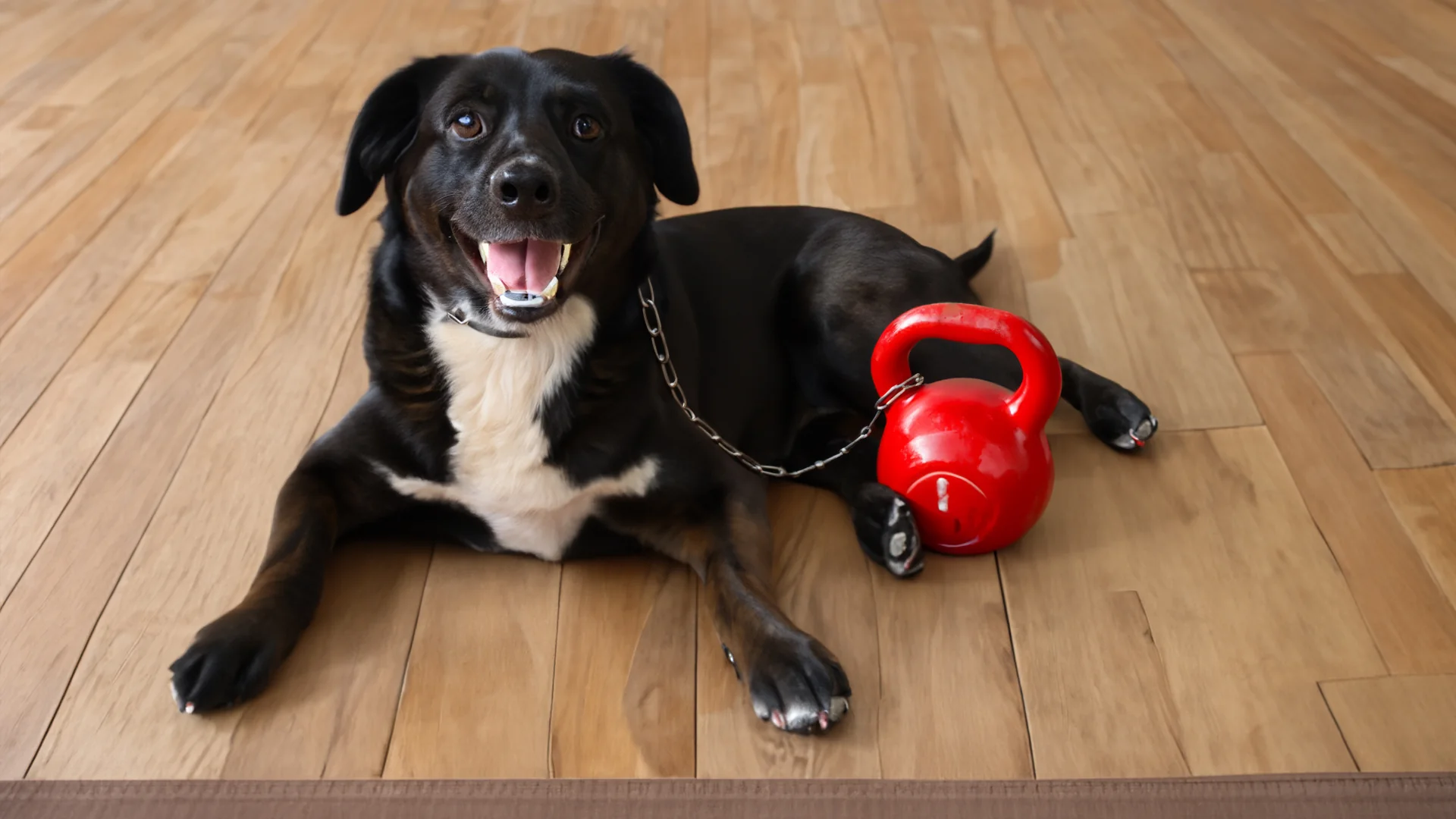
- Supervision: Keep the puppy in view and within reach. Do not attach a puppy to a movable weight such as a kettlebell, leave it tethered unattended, or use tethering as punishment. Stop if the puppy becomes frightened or tangled.
By using the right equipment and following these guidelines, you can effectively tether train your service dog puppy and set them up for success in their training journey.
Here are ways supervised management can support puppy training:
- House Training: Keeping a puppy nearby can make it easier to notice bathroom signals. By limiting the puppy’s movement to a confined space, you can more easily monitor their behavior and intervene when necessary. When the puppy needs to eliminate, simply take them outside to their designated potty area.
- Prevention of Unwanted Behaviors: Tethering a puppy can help prevent unwanted behaviors such as chewing, jumping, and digging. By restricting their movement, you can reduce the opportunities for these behaviors to occur. This also helps to establish boundaries and teaches the puppy that certain areas are off-limits.
- Bonding: Tether training provides an excellent opportunity for the puppy to bond with their handler. By spending quality time together in a confined space, you can build trust and create a strong emotional connection. This bond is essential for a successful service dog-handler relationship.
- Socialization: While tether training is primarily focused on individual training, it can also be a valuable tool for socialization. By tethering the puppy in a public area, such as a pet-friendly cafe or park, they can be exposed to different environments, people, and animals. This can help the puppy become more confident and well-adjusted.
- Foundation for Future Training: Tether training provides a solid foundation for future training tasks. By learning to stay in a designated area and follow basic commands, the puppy will be better prepared for more complex training exercises, such as public access training and task training.
To learn more about service dog standards and training techniques, please visit the following resources:
By educating yourself and following best practices, you can help ensure that your service dog puppy receives the training and support they need to become a valuable and trusted companion.
Sources