
Originally published 2019-09-17. Reviewed and updated by Anything Pawsable on October 4, 2026.
These foundations can make later teaching easier. The order and cues should suit the dog and handler; a clicker, spoken name or particular posture is not compulsory.
- A reward marker. Pair a brief accessible signal with a reward. Use a sound, word or visual signal the dog can perceive comfortably, then mark the behavior you want to teach.
- Orienting to you. Reward looking or turning toward you after a familiar signal. Begin without distractions and build gradually. Eye contact is not necessary for every team.
- Comfortable settling. Reward relaxed behavior on a safe resting place, begin briefly and provide breaks. Do not tie a puppy on a short cable and wait for distress to exhaust it. Management should permit comfortable movement and supervision.
- A useful position. Teach a comfortable sit, stand or down using rewards. Choose positions appropriate to health and the task; do not force repetitive postures or assume perfect responses in every setting.
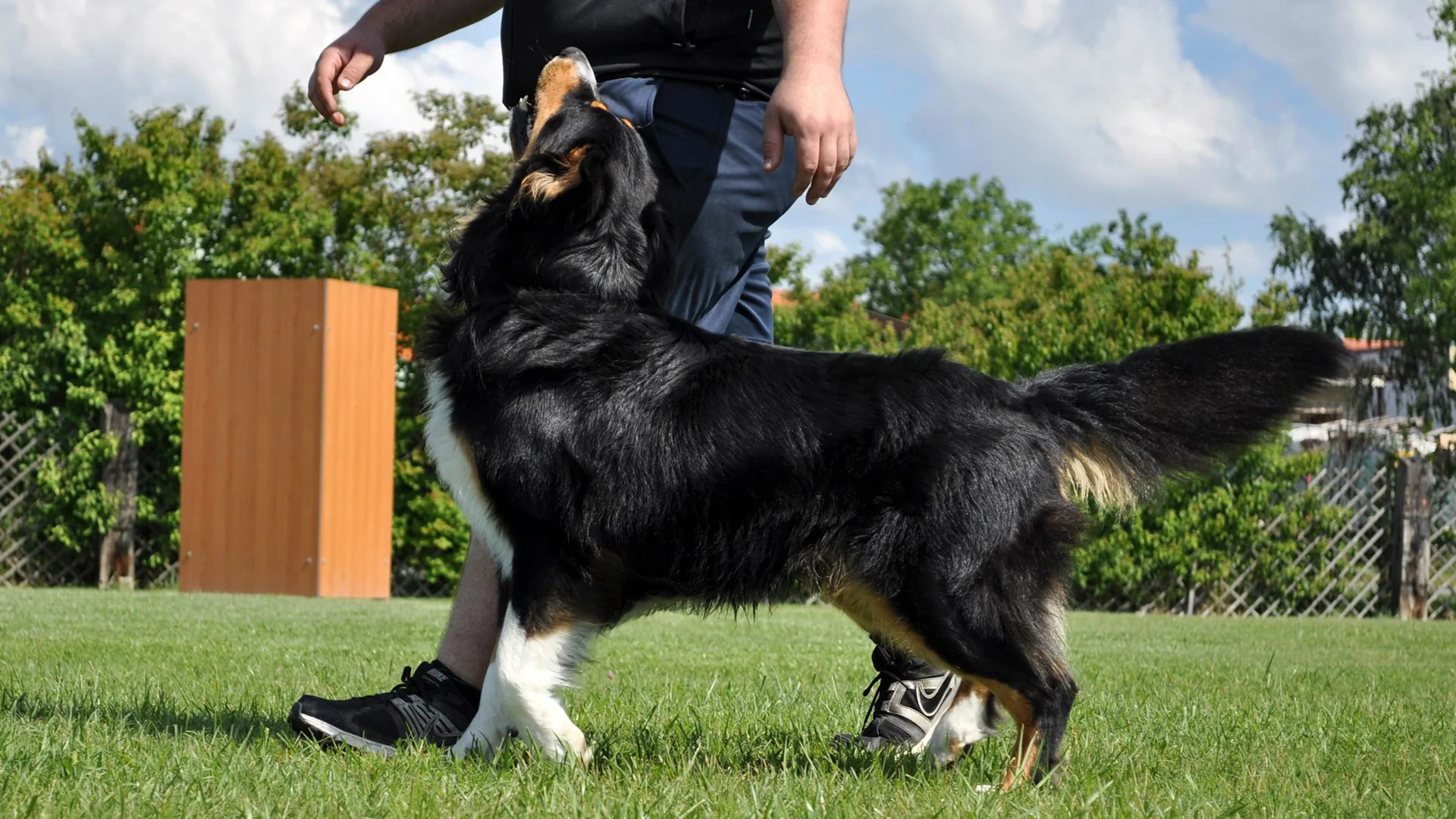
- Moving with you. Reward a loose leash and comfortable position in a quiet area. Change difficulty gradually, pause or increase distance from distractions, and avoid jerking or dragging the dog.
Keep sessions short, account for food rewards within the diet and stop when the dog needs rest. Safe chews are individual choices; raw bones are not a required settling tool.
Public readiness takes a prepared human handler as well as a trained dog. Service Dog Standards works alongside the Americans with Disabilities Act (ADA), providing detailed training and behavior standards and education about ongoing handler responsibilities. Trainers use that foundation before individual public-work lessons, so clients understand what they must learn, practice and maintain. Prepare both partners before increasing the difficulty of an outing.
Under the ADA, dogs still in training do not have federal service-dog public access. State and local rules may differ. Use permitted environments appropriate to the dog's current skills.