
Originally published 2020-07-20. Reviewed by Anything Pawsable on October 4, 2026.
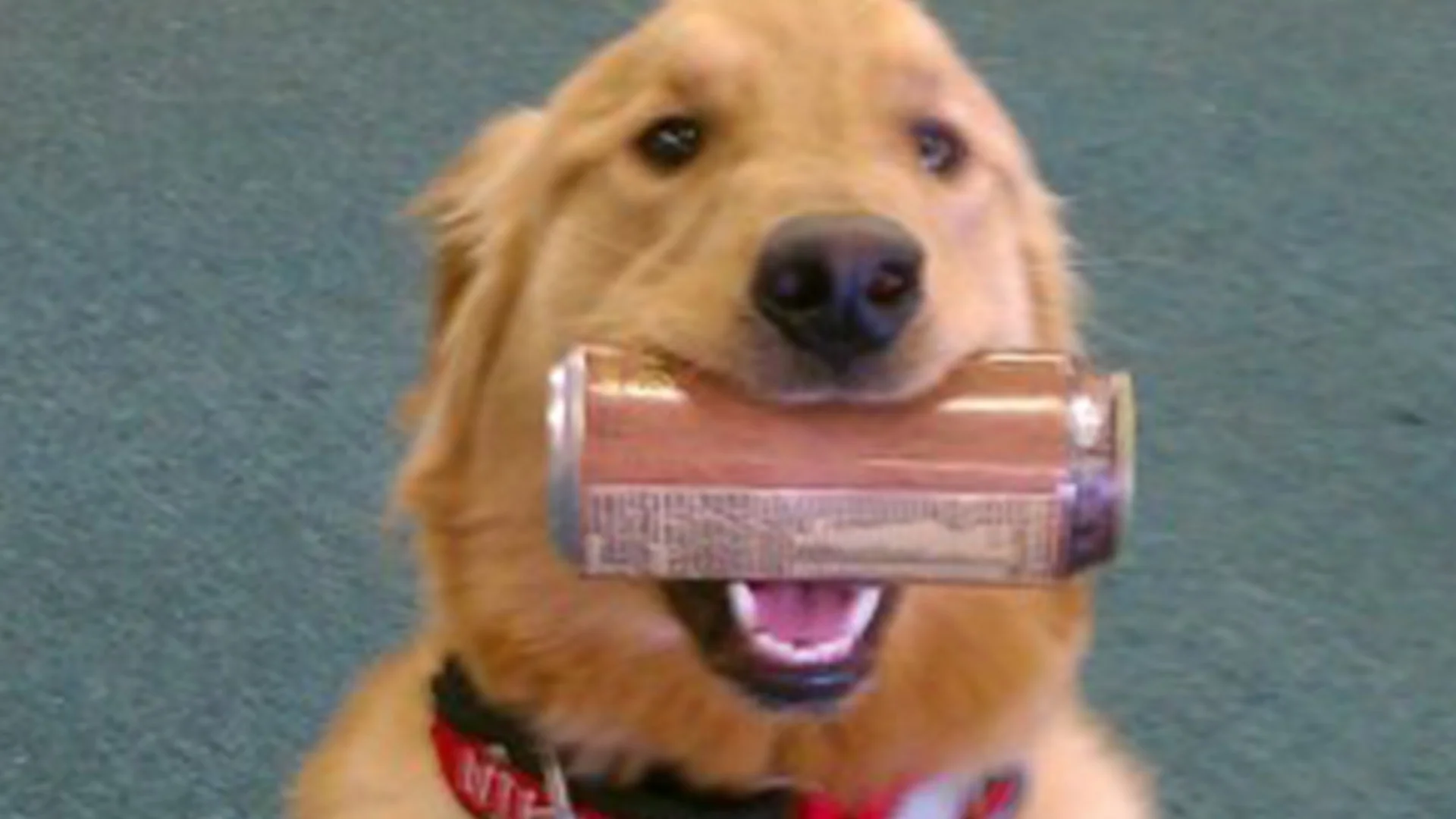
A retrieval task can help someone obtain an item without reaching or walking to it. Choose an object and method that are safe for the individual dog; not every container or household item belongs in a dog's mouth.
Prepare the task
Use a durable, nonbreakable closed container that the dog can comfortably carry without puncturing it. Avoid glass, sharp edges, pressurized containers, unsafe contents and loose caps. Consider an adapted handle or container. Keep medicines secure.
Teach separate skills
- Reward taking and releasing a suitable practice object without chewing. Build a brief comfortable hold.
- Place the object on an easy, reachable surface. Reward picking it up and delivering it to the chosen hand or location.
- Practice at a consistent storage place. Increase distance gradually, reducing difficulty if the dog is confused.
- If a refrigerator is involved, assess the door force and pinch hazards. Teach a safe adapted door pull or target separately with qualified help. A person's assistance may be safer than asking the dog to pull a heavy door.
- Join the steps only after each is comfortable. Keep the route clear, prevent the door closing on the dog and supervise practice.
Keep sessions brief and reward progress. Do not pry the dog's jaws, punish dropping or follow a fixed number of days. Check the container for damage and clean surfaces appropriately.
A retrieved drink is not itself treatment for seizures, panic or every low-blood-sugar episode. Follow the person's medical plan; someone unable to swallow safely should not be given a drink. Keep other assistance available if the dog cannot complete the task.