
Originally published 2017-08-20. Reviewed by Anything Pawsable on October 4, 2026.
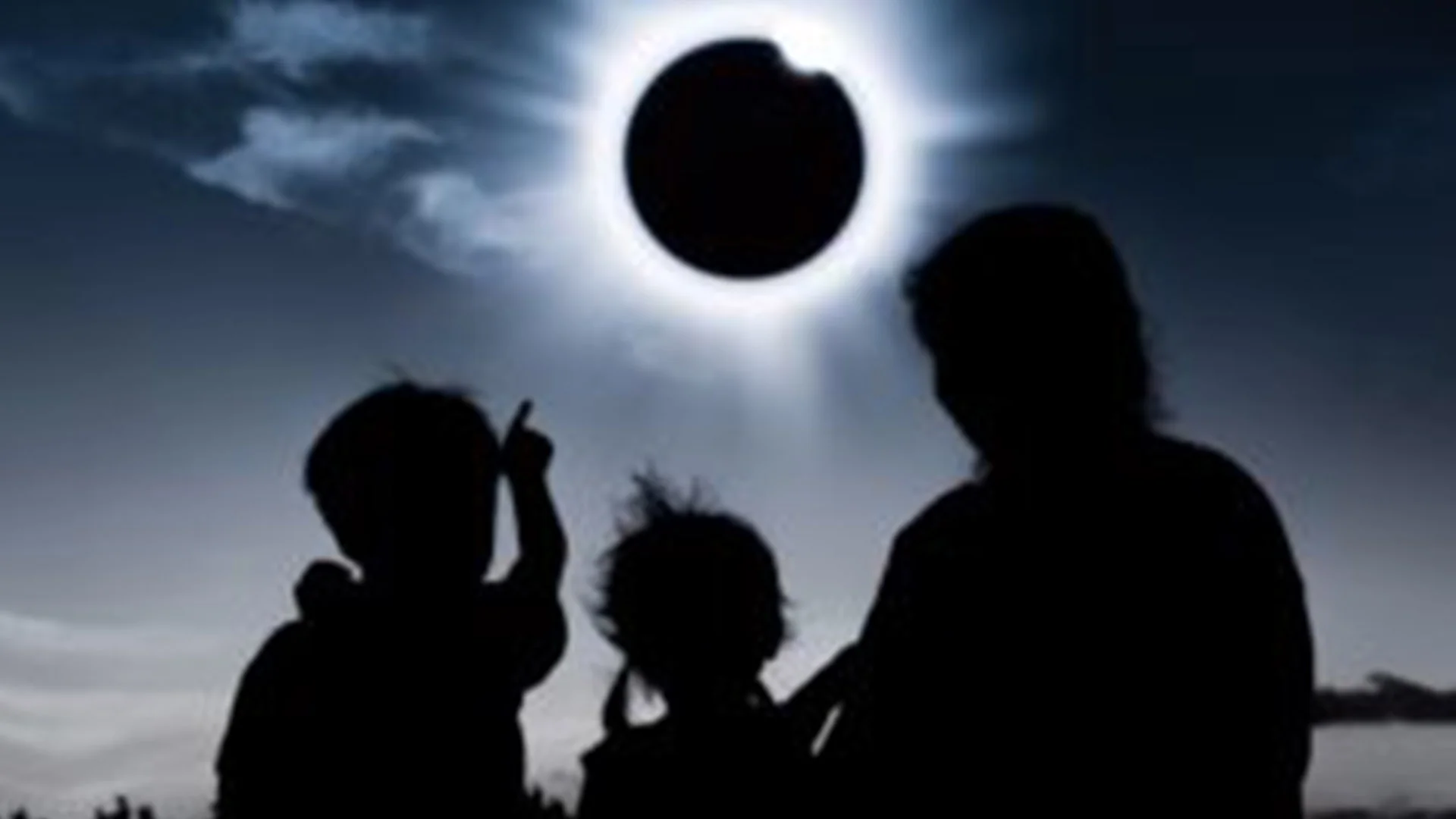
The August 21, 2017 total solar eclipse crossed the United States from Oregon to South Carolina. This is a historical article, not an announcement of an upcoming event.
How a solar eclipse works
A solar eclipse occurs when the Moon passes between Earth and the Sun. Totality is visible only along a narrow path; other places see a partial eclipse. The event does not involve the Moon and Sun sharing an orbit or physically meeting.
Safe viewing
Use appropriate solar viewers for the uneclipsed or partially eclipsed Sun. Ordinary sunglasses and dog goggles are not solar viewers. Do not look through binoculars, a telescope or a camera while wearing eclipse glasses; optical equipment requires the appropriate front-mounted solar filter. Follow NASA's viewing instructions for the exact event.
Plan for your needs and your dog
Consider heat, crowds, traffic, accessible restrooms, relief breaks and changing light. Keep the dog safely controlled and arrange a quiet alternative if the setting is uncomfortable. Do not encourage a dog to look at the Sun.
Equipment and transport choices should fit the dog and trip. Product claims and the original article's car-safety rankings are not a current certification list.
There is no basis here for predicting mood disorders, relationship problems or seizure safety from an eclipse. Follow your own care plan and seek individual medical advice when needed. Recorded or remote viewing may offer a more comfortable option.