
Originally published 2015-01-06. Article reviewed on October 4, 2026. Original publication: 2015-01-06.
An emergency plan should account for your care needs and the dog's transport and care. Preparation can help, but an emergency is not a personal failure if events do not go as planned.
Keep essential information accessible
Prepare a short note with relevant needs, the dog's role, handling instructions and a backup contact. You choose what information to share. A local voluntary emergency registry may be useful, but it is not an ADA access prerequisite or available everywhere.
Discuss arrangements with your care team and local services when practical. Do not assume that every responder needs advance notification or that a home visit guarantees access.
Transport and care
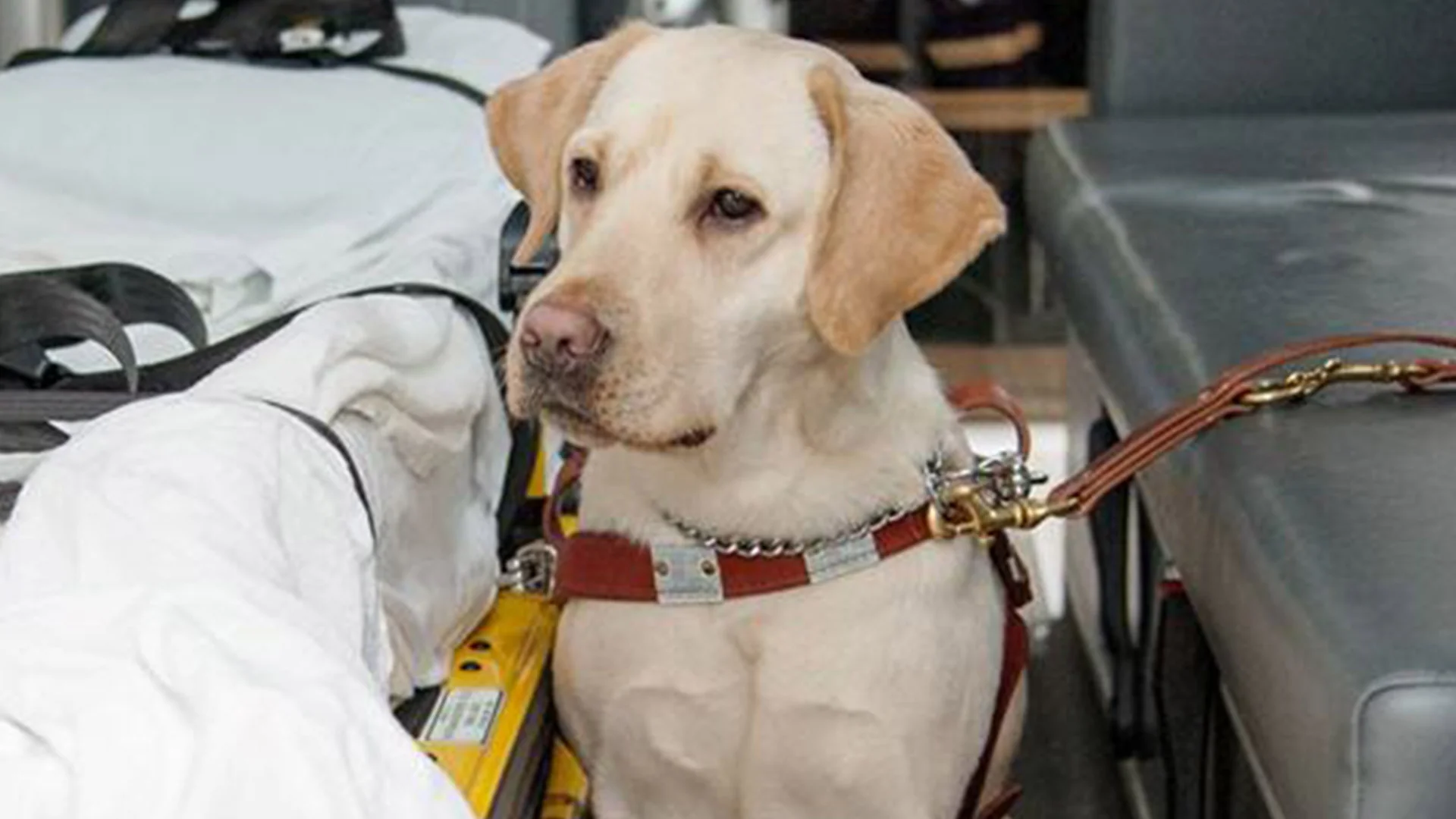
DOJ guidance generally allows a service dog to accompany its handler in an ambulance. If crowding means the dog would interfere with emergency treatment, staff should arrange other transport to the hospital.
Identify someone who can care for the dog if you are unable. Hospitals are not generally required to provide its routine care. Keep water, food, medication, a leash, cleanup supplies and veterinary details ready where practical.
During the emergency
Tell responders about the dog and any immediate handling needs if you can. Do not delay necessary medical treatment to dress it in a vest; identifying gear is not required for ADA qualification.
The dog should be controlled and handled according to the situation. Medical decisions must rely on appropriate clinical assessment, not an assumed infallible canine alert.
Practice manageable handling and transport steps with qualified support. Avoid overwhelming the dog to simulate an emergency. Revisit the plan after any change in health or circumstances.