
Originally published 2019-03-31. Training reward safety updated by Anything Pawsable on October 4, 2026.
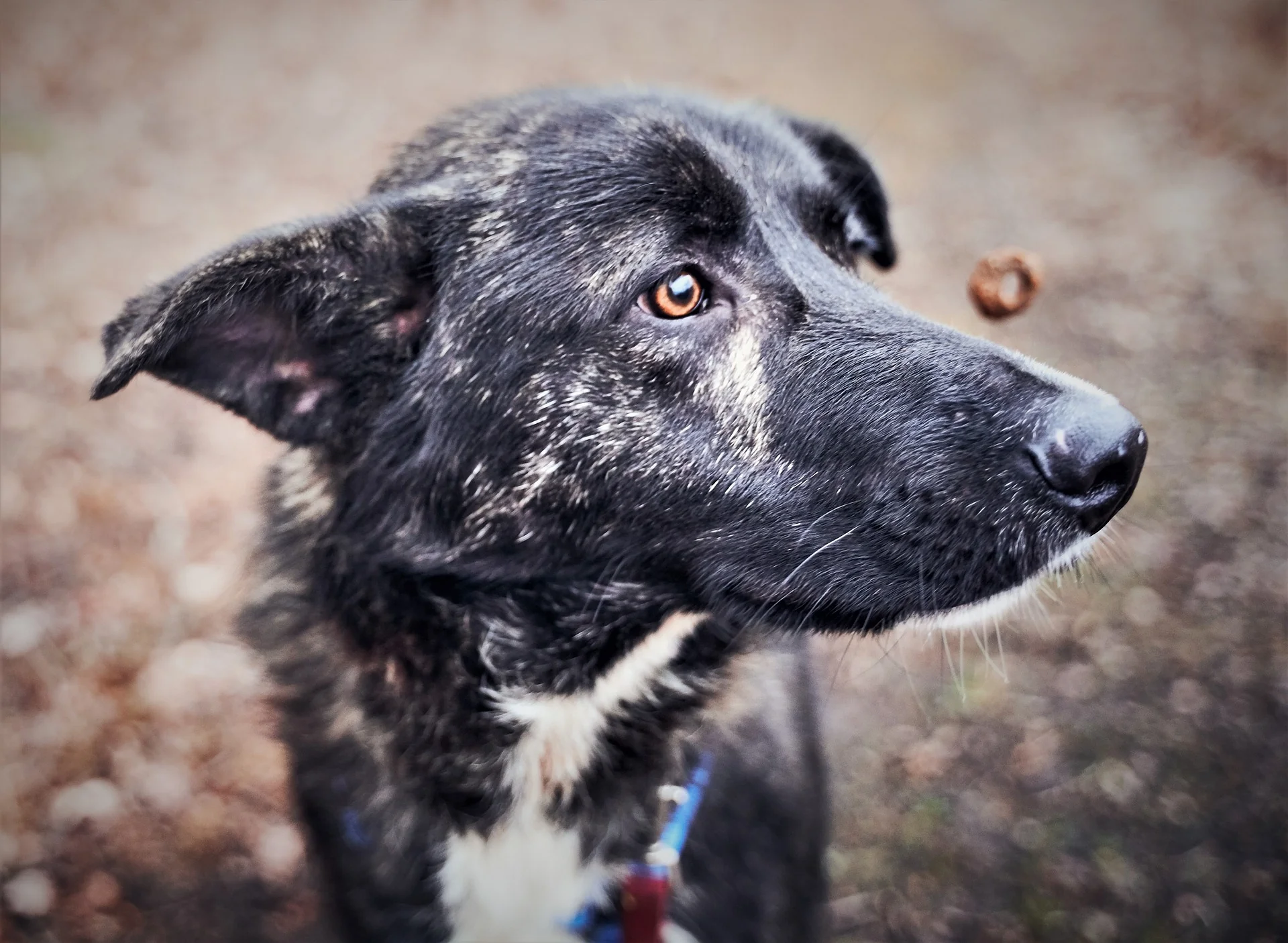
A high-value reward is something your individual dog enjoys. Use small pieces that are easy to eat, and account for training rewards in your dog’s overall diet.
- Dog treats suitable for your dog’s size, health, and dietary needs.
- Small pieces of plain, fully cooked, unseasoned meat that your veterinarian considers suitable.
- Part of the dog’s usual food, when it is motivating in the setting you are training.
Check ingredients before using human foods. Some peanut and nut butters contain xylitol, also called birch sugar or wood sugar, which can poison dogs. If you suspect exposure, contact a veterinarian, emergency clinic, or animal poison control center immediately.
Choose rewards with your veterinarian when your dog has food allergies, digestive problems, or a prescribed diet. A dog can also find play or another suitable activity rewarding.